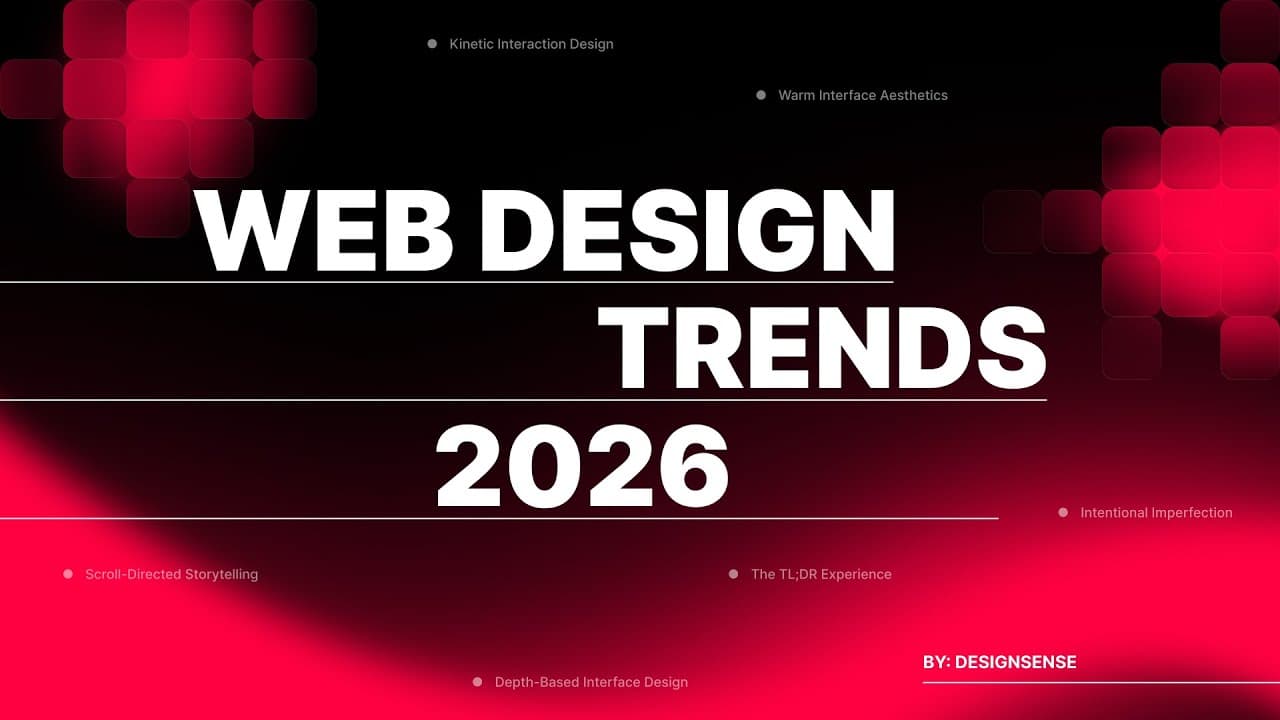
Web Design Trends 2026: Generative UI, Bento Grids & Adaptive Layouts
Explore the upcoming web design trends for 2026, from AI-driven Generative UI and evolved Bento Grids to immersive directional lighting, context-aware adaptive layouts, and bold asymmetrical typography.
The year 2026 marks a profound paradigm shift in how we conceive, build, and experience the web. We are officially moving beyond static, one-size-fits-all pages into an era of dynamic, intelligent interfaces that mold themselves to the user's intent. Below is an in-depth analysis of the most prominent web design trends dominating the digital landscape.
1. Generative UI and Context-Aware Interfaces
The rigid constraints of traditional interface design are being shattered by AI. In 2026, UI/UX designers are heavily leaning into Generative UI. This concept revolves around interfaces that dynamically alter their layouts, color palettes, and information hierarchy based on user behavior, environmental context, and interaction history.
Imagine a dashboard that reorganizes its widgets based on the time of day or a portfolio site that highlights specific projects depending on the visitor's industry. Generative UI transforms web browsing into a highly personalized, real-time experience that feels distinctly tailor-made for every single user.
2. The Evolution of Bento Grids
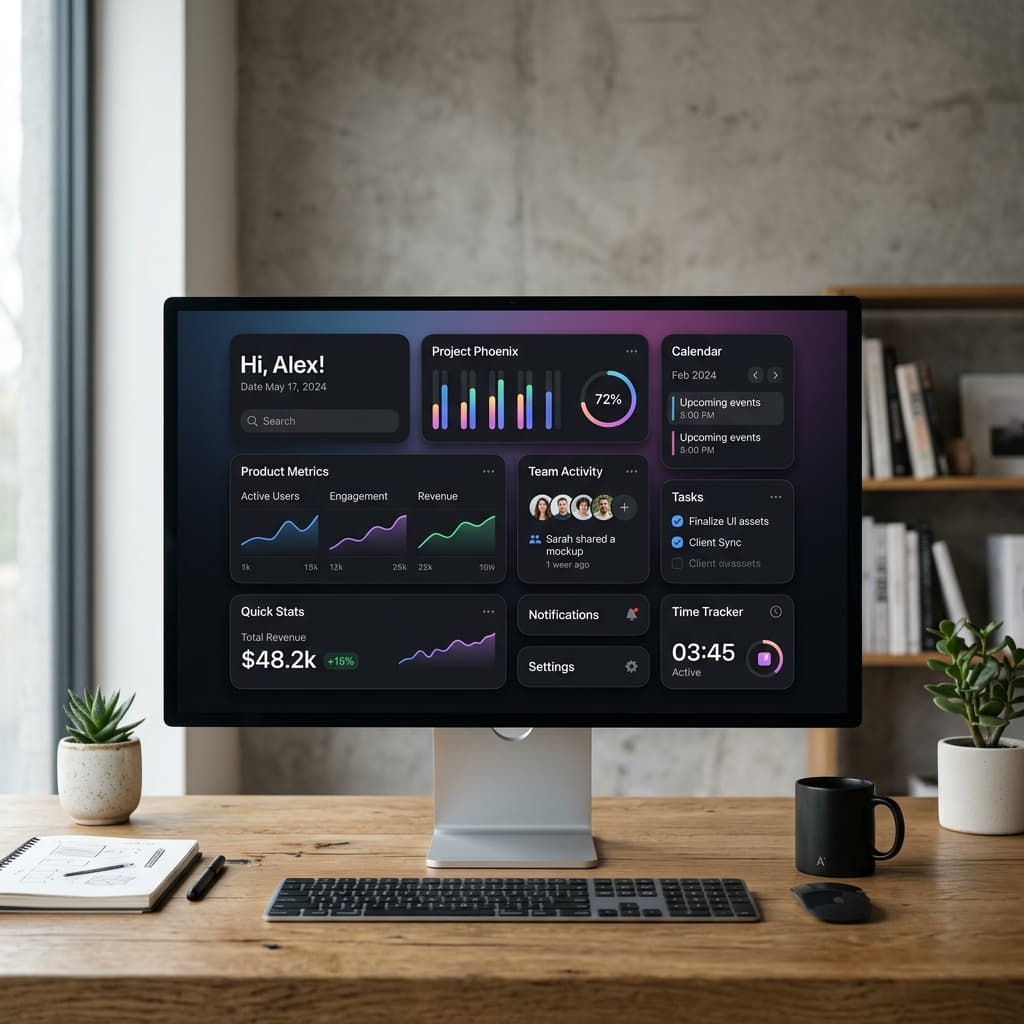
The Bento Grid—a design pattern heavily inspired by Apple's design language—has maintained its massive popularity but has evolved into a far more interactive medium.
In 2026, Bento layouts are not just static rectangles; they are living, breathing components. Designers are refining these "chunks" of information to maximize screen real estate, ensuring a clean aesthetic while delivering a high density of information. What sets the modern Bento Grid apart is the integration of advanced micro-interactions. Hovering over a grid item now triggers fluid, 60fps animations, contextual expansions, or subtle 3D tilts that breathe life into the grid without overwhelming the user.
3. Immersive Dark Mode & Directional Lighting
Dark mode is no longer an afterthought or a simple palette swap (black backgrounds with white text). The modern interpretation of dark mode incorporates complex Directional Lighting effects.
By combining subtle radial gradients, soft glassmorphism, and 3D shading techniques, designers are giving flat interfaces an incredible sense of depth. Buttons look tactile, cards appear to hover just above the canvas, and the overall aesthetic feels like a piece of premium, meticulously lit hardware. This trend elevates the perceived value of digital products, making them feel expensive and highly crafted.
4. Bold Typography & Asymmetrical Layouts
Typography has officially transcended its role as mere text to become the primary graphical element of modern web pages. We are seeing a massive surge in the use of oversized, highly legible, and daring typefaces.
This bold typography is frequently paired with aggressive use of negative space and Asymmetrical Layouts. Designers are intentionally breaking the grid to create visual tension and guide the user's eye in unexpected ways. This departure from conventional, rigid structures results in web experiences that feel editorial, artistic, and entirely unique.
5. WebGL and Micro-Animations as the Baseline
Static websites are becoming a relic of the past. In 2026, the baseline expectation for any premium web experience includes seamless WebGL integration and ubiquitous micro-animations. From fluid page transitions and physics-based scrolling to cursor-following particle effects, motion is used purposefully to delight users and provide immediate, satisfying feedback for every interaction.
Conclusion
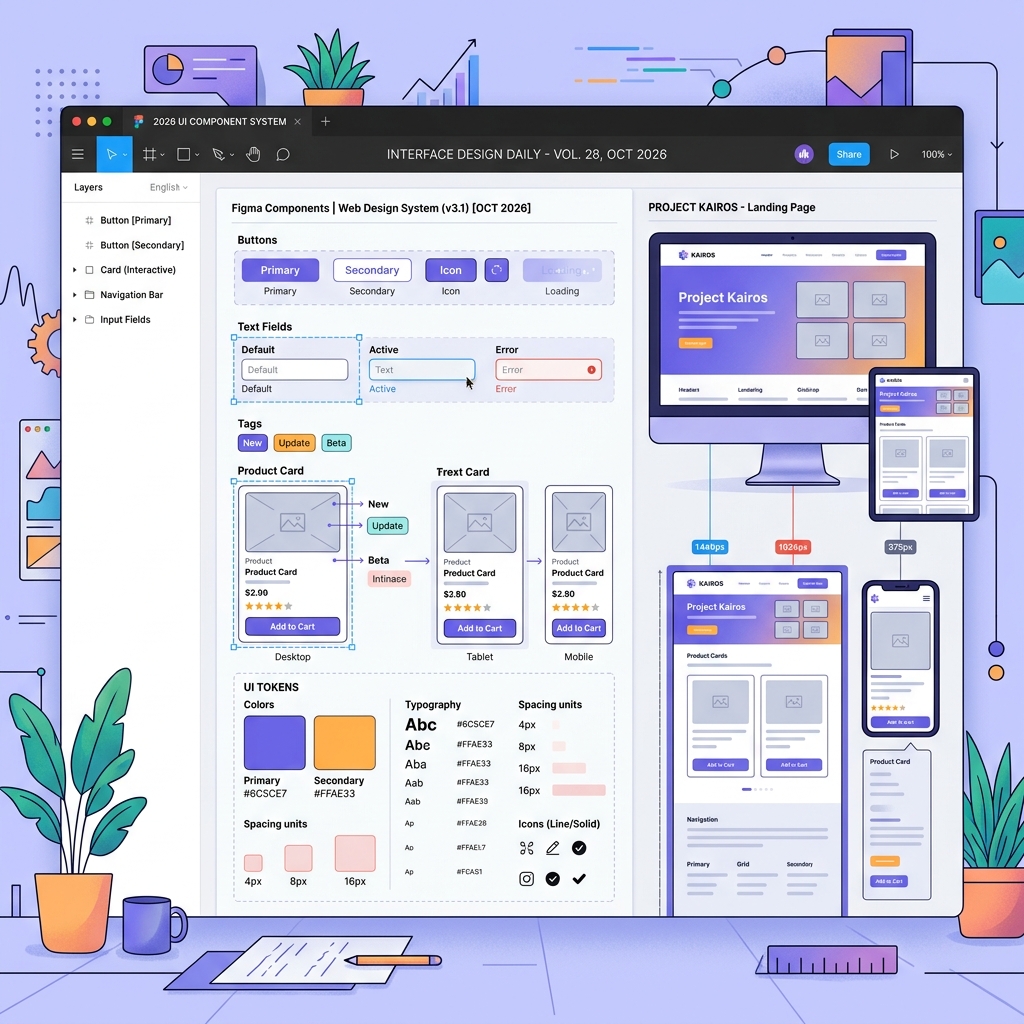
The future of web design in 2026 is a harmonious blend of stunning aesthetics and deep user empathy. A truly exceptional design is one that "listens" to its audience and adapts accordingly. To stand out in this highly competitive landscape, designers must master the synthesis of traditional craftsmanship—using tools like Figma and Illustrator—with cutting-edge, data-driven, and AI-powered methodologies. The web is no longer just a place to display information; it is an environment to be experienced.