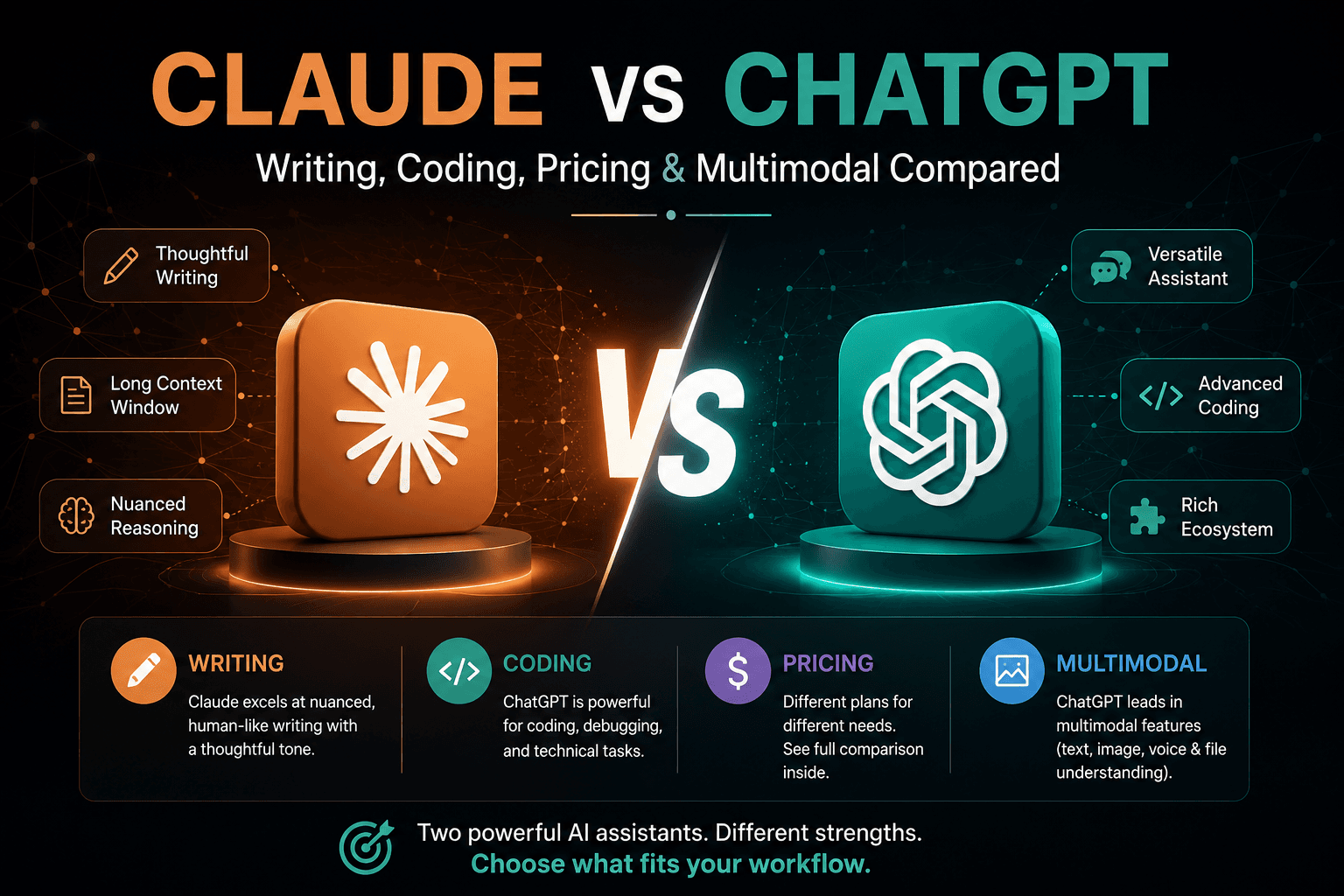
Claude vs ChatGPT: Which AI Assistant Should You Use in 2026?
Claude vs ChatGPT compared for writing, coding, pricing, and multi modal features — an honest, side-by-side breakdown to help you pick the right AI tool.
Claude vs ChatGPT (2026): Which AI actually boosts your productivity?
Quick Answer
Is Claude better than ChatGPT? Claude (by Anthropic) and ChatGPT (by OpenAI) are both leading AI chatbots, but they're built for slightly different strengths. Claude is generally preferred for long-form writing quality, careful reasoning, and software development through Claude Code. ChatGPT has a broader multimodal toolkit — native image and video generation, voice mode, and the largest third-party plugin ecosystem — plus a bigger free-tier user base. Neither is "better" outright; the right choice depends on whether you value writing/coding depth (Claude) or an all-in-one multimedia assistant (ChatGPT).
Claude vs ChatGPT at a Glance
| Claude | ChatGPT | |
|---|---|---|
| Maker | Anthropic | OpenAI |
| Current flagship models | Opus 4.8, Sonnet 5, Haiku 4.5, Fable 5 (Mythos-tier) | GPT-5-series (OpenAI updates sub-versions frequently) |
| Free plan | Yes, with rolling usage limits | Yes, with rolling usage limits and ads in some regions |
| Entry paid plan | Pro, ~$20/month | Plus, ~$20/month |
| Top individual plan | Max, roughly $100–$200/month | Pro, roughly $200/month |
| Team plan | Team, from ~$25/seat/month | Business, from ~$25/seat/month |
| Native image generation | No (Claude analyzes images but doesn't generate them) | Yes, built-in image generation |
| Native video generation | No | Yes, via Sora integration |
| Coding agent | Claude Code | Codex |
| Desktop agent for non-coders | Claude Cowork | Agent Mode / Operator-style features |
| Voice mode | Limited | Yes, full voice conversations |
| Known for | Writing quality, reasoning depth, coding, safety-first design | Multimodal breadth, ecosystem size, speed of feature releases |
Pricing and model names change frequently on both platforms — treat the figures above as a 2026 snapshot and confirm current details at claude.com/pricing and openai.com/chatgpt/pricing before subscribing.
What Is Claude?
Claude is Anthropic's family of AI models, accessible through the Claude.ai chat interface, mobile apps, browser and productivity extensions, and a developer API. Anthropic has positioned Claude around careful reasoning, strong writing ability, and a safety-focused design philosophy the company calls "Constitutional AI." The current lineup spans Haiku (fastest, most affordable), Sonnet (balanced, the default on Free and Pro), and Opus (most capable for complex work), with Fable 5 sitting in Anthropic's newer "Mythos" tier above Opus for its most demanding use cases.
Claude's strengths:
- Consistently rated highly for natural, well-structured long-form writing.
- Claude Code brings agentic coding directly into the terminal, IDE, or desktop app for developers who want AI to handle multi-step engineering tasks.
- Claude Cowork extends similar agentic capability to non-developers for research, spreadsheets, and multi-tool workflows.
- Large context windows make it well-suited to analyzing long documents, contracts, or codebases in a single conversation.
- Artifacts let you generate and iterate on documents, code, and interactive mockups in a separate working pane rather than burying them in chat.
Claude's limitations:
- No native image or video generation — Claude can describe, analyze, and edit text about images, and can build diagrams/charts, but it won't produce a photorealistic picture the way ChatGPT or Gemini can.
- Smaller third-party plugin/app ecosystem than ChatGPT's GPT Store.
- No dedicated voice-conversation mode comparable to ChatGPT's.
What Is ChatGPT?
ChatGPT is OpenAI's conversational AI product, built on the GPT model family. It launched publicly in November 2022 and has since become the most widely used consumer AI chatbot, expanding well beyond text chat into image generation, voice conversations, video generation (via Sora), and agentic browsing/task automation.
ChatGPT's strengths:
- Broadest multimodal toolkit of any major assistant: text, image generation, voice mode, and video generation in one product.
- The largest user base translates into the biggest ecosystem of custom GPTs, third-party integrations, and community tutorials.
- Codex brings agentic coding assistance for developers, competing directly with Claude Code.
- Frequent feature releases — OpenAI ships new capabilities (research modes, agent tools, app integrations) on a fast cadence.
- Deep integration into Microsoft's ecosystem (via Copilot) gives it reach inside tools many businesses already use.
ChatGPT's limitations:
- Free-tier responses can fall back to lighter models once usage limits are hit, sometimes noticeably reducing quality on complex tasks.
- The sheer number of features and modes can feel more cluttered than Claude's more focused interface.
- Frequent model/version churn makes it harder to know exactly which underlying model is answering a given question at any point in time.
A Brief History
ChatGPT launched publicly in November 2022 and is widely credited with sparking the mainstream consumer AI chatbot boom. OpenAI has since expanded it far beyond text chat, folding in image generation, voice conversations, browsing/agent tools, and Sora-powered video generation.
Claude arrived in 2023 from Anthropic, a company founded in 2021 by former OpenAI researchers, including siblings Dario and Daniela Amodei, who left specifically to pursue a research direction more centered on AI safety. That founding motivation still shapes Claude's product decisions today — the company has been comparatively slower to add flashy multimodal features and more vocal about safety testing, model behavior research, and its "Constitutional AI" training approach.
Safety Philosophy: Does It Actually Matter for Everyday Use?
Both companies invest heavily in AI safety research, but they've historically emphasized it differently in public communication. Anthropic built its entire brand identity around safety from day one, publishing research on model interpretability and using a technique it calls Constitutional AI — training the model against a written set of principles rather than relying purely on human feedback. OpenAI has also published extensive safety research and alignment work, but has generally moved faster to ship consumer-facing features, sometimes drawing criticism for prioritizing speed over caution.
For everyday tasks like writing, coding, or research, this difference is mostly invisible — both companies filter clearly harmful content and both models will decline similar categories of requests. Where it becomes more noticeable is at the margins: Claude tends to add more caveats and safety framing around sensitive topics, while ChatGPT sometimes engages more directly. Neither approach is objectively "correct" — it comes down to whether you'd rather have a more cautious default or a more permissive one, and both providers let you adjust behavior somewhat through custom instructions or system-level settings.
Head-to-Head: Where Each Tool Actually Wins
Writing Quality
For long-form writing — essays, marketing copy, creative fiction, editing — Claude is frequently cited by writers and editors as producing prose that reads more naturally and less "AI-generated" by default, with less repetitive structure and fewer generic phrasings. ChatGPT has closed much of this gap over successive GPT-5 releases and remains very capable, particularly when guided with a detailed style prompt, but many professional writers still reach for Claude first for drafting and Claude or ChatGPT interchangeably for editing.
Coding and Developer Work
Both companies now offer a dedicated agentic coding product — Claude Code and OpenAI Codex — that go beyond autocomplete to plan, write, test, and revise multi-file changes with minimal supervision. Developer sentiment is genuinely split here: Claude Code has built a strong reputation for handling large, unfamiliar codebases carefully and explaining its reasoning, while Codex is praised for tight integration with the broader OpenAI/ChatGPT workflow and fast iteration speed. Teams already standardized on one ecosystem often find the "better" tool is simply whichever one plugs into their existing workflow with less friction.
Reasoning and Accuracy
Both Claude Opus/Fable and the top-tier GPT-5 models perform strongly on complex reasoning benchmarks, and the gap between them narrows and widens with each release cycle, so any single comparison snapshot goes stale fast. In practice, both are capable of nuanced multi-step reasoning, and the more meaningful differences show up in how each explains its reasoning — Claude tends toward more explicit, structured step-by-step explanations, while ChatGPT often gives more concise final answers unless asked to show its work.
Multimodal Capabilities (Images, Voice, Video)
This is ChatGPT's clearest structural advantage. Native image generation, a full voice-conversation mode, and Sora-powered video generation are all built into the same product, so a single ChatGPT subscription covers text, image, and video needs. Claude does not generate images or video natively — for visual content, Claude users typically pair it with a dedicated image or video tool (or use Google's Gemini/Nano Banana models, which some Claude users run side-by-side for exactly this reason).
Agentic Tools and Automation
Both platforms have moved aggressively into "agentic" territory — AI that can use tools, browse, and complete multi-step tasks rather than just answering questions. Claude Cowork targets non-developers who want to hand off research, spreadsheet, and cross-app work, while Claude in Chrome and Claude in Excel/PowerPoint extend the assistant directly into browsers and Office documents. ChatGPT's Agent Mode and Operator-style features aim at similar territory — completing tasks like form-filling, booking, and multi-step browsing on a user's behalf. Both are evolving quickly, and neither has a definitive lead as of mid-2026.
Pricing and Plans
Both companies structure pricing almost identically: a free tier with rolling usage limits, a ~$20/month individual plan (Claude Pro / ChatGPT Plus), a premium individual tier for heavy users (Claude Max at $100–$200/month, ChatGPT Pro around $200/month), and business plans starting near $25/seat/month. Given how often both companies adjust limits and add tiers, the most reliable approach is to start on each platform's free tier, note where you actually hit limits in your own daily use, and upgrade based on that — rather than pricing alone.
Privacy and Data Handling
Both companies offer options to prevent conversations from being used for model training, though the exact defaults and opt-out mechanisms differ by plan and region, and both have moved toward not training on business/enterprise-tier data by default. If data handling is a deciding factor for your organization, review each provider's current data-usage policy directly rather than relying on either company's marketing page, since these terms are updated periodically.
Claude vs ChatGPT: Which Should You Choose?
- You're a developer: Try both Claude Code and Codex on a real task from your own codebase — this is a case where hands-on testing beats any written comparison, since preference here is genuinely workflow-dependent.
- You write for a living (content, marketing, fiction): Claude is the more common first choice for drafting, thanks to its more natural prose style.
- You need image, voice, or video generation in the same app: ChatGPT's multimodal toolkit covers all three without switching tools.
- You're processing long documents, contracts, or large codebases: Both handle long context well; test with your actual documents, since real-world performance on messy, real files matters more than headline context-window numbers.
- You want the largest ecosystem of plugins, GPTs, and integrations: ChatGPT's GPT Store and Microsoft Copilot integration give it a wider reach.
- You're not sure yet: Both offer usable free tiers — running the same real task through each for a week is the fastest way to find your preference.
Many professionals end up using both, treating Claude and ChatGPT as complementary tools rather than picking one exclusively — a pattern common enough that most productivity-focused writers now default to comparing tools by task rather than declaring a single winner.
Conclusion
Claude and ChatGPT are both excellent, and the "vs" framing can be misleading — this isn't a case of one clearly superior product. Claude tends to win on writing quality, coding depth through Claude Code, and a more focused interface; ChatGPT tends to win on multimodal breadth, ecosystem size, and voice/image/video generation built into one subscription. Since both companies ship new models and features on a fast, overlapping release cycle, the most reliable way to decide is to test both on the specific tasks you actually do — not on a features list that may be outdated within a few months.
FAQ
Is Claude better than ChatGPT? Neither is universally "better" — Claude is generally preferred for long-form writing and coding through Claude Code, while ChatGPT offers a broader multimodal toolkit including native image, voice, and video generation. The right choice depends on your specific use case.
Which is cheaper, Claude or ChatGPT? Both providers price their entry-level individual plans similarly, around $20/month (Claude Pro and ChatGPT Plus), with free tiers available on both and premium individual tiers reaching $100–$200/month. Exact pricing changes periodically, so check each company's current pricing page.
Can Claude generate images like ChatGPT? No. Claude can analyze, describe, and reason about images you upload, and can generate diagrams, charts, and interactive visuals through its Artifacts feature, but it does not generate photorealistic images the way ChatGPT's built-in image generation does.
Which is better for coding, Claude or ChatGPT? Both offer dedicated agentic coding tools — Claude Code and OpenAI Codex — and developer opinion is genuinely split. Many developers recommend testing both on a real task from your own codebase rather than relying on a general recommendation.
Do Claude and ChatGPT use my conversations to train their models? Both companies offer settings to opt out of having conversations used for model training, and both generally exclude business/enterprise-tier data from training by default. Exact policies and defaults vary by plan and region, so check each provider's current privacy policy for specifics.
Can I use Claude and ChatGPT together? Yes. Many professionals use both tools for different tasks — for example, drafting in Claude and generating supporting images or video in ChatGPT — rather than relying on a single assistant for everything.
Related
Resources

Free AI Video Generator (2026): What You Actually Get for $0
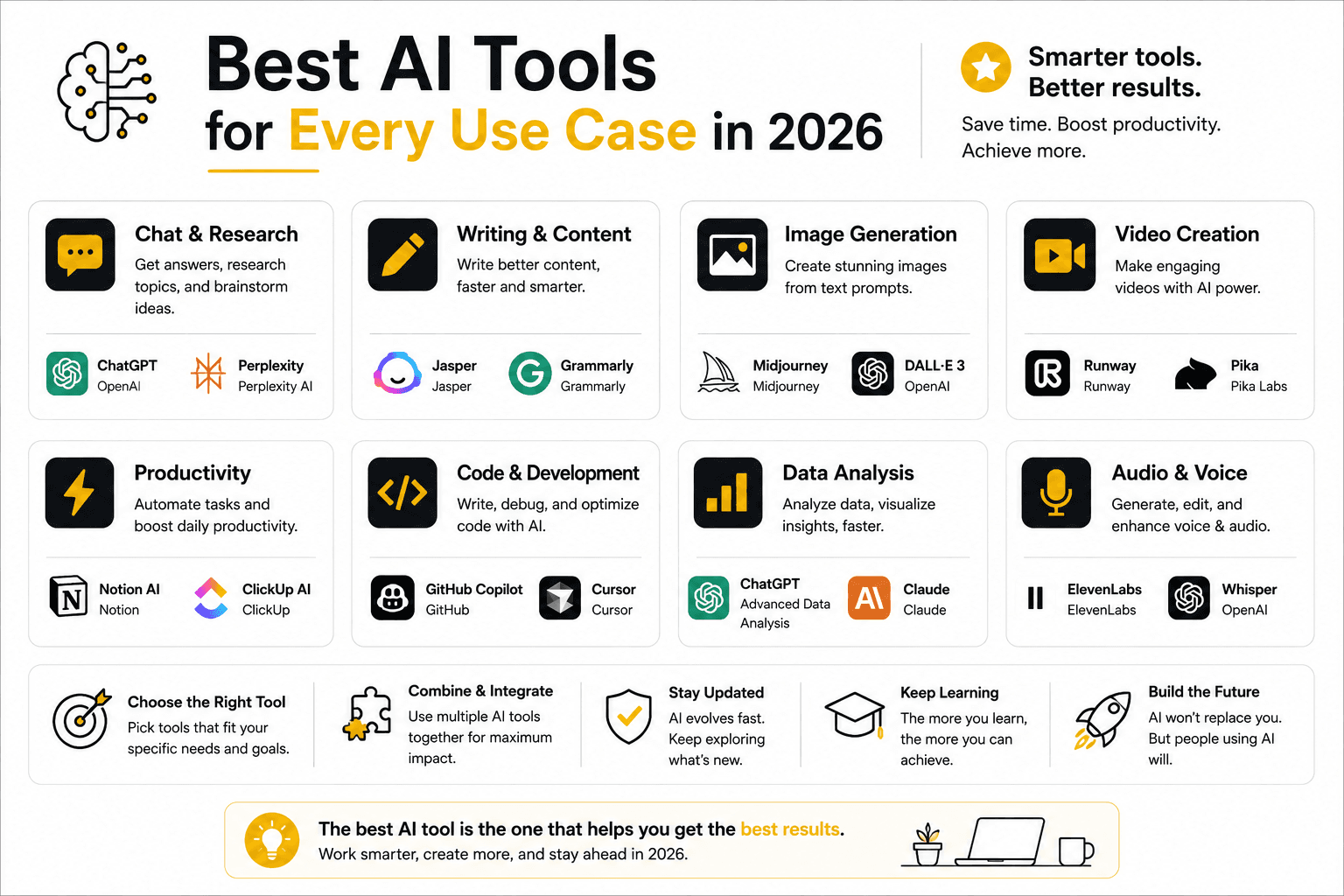
Best AI Tools for Every Use Case in 2026?
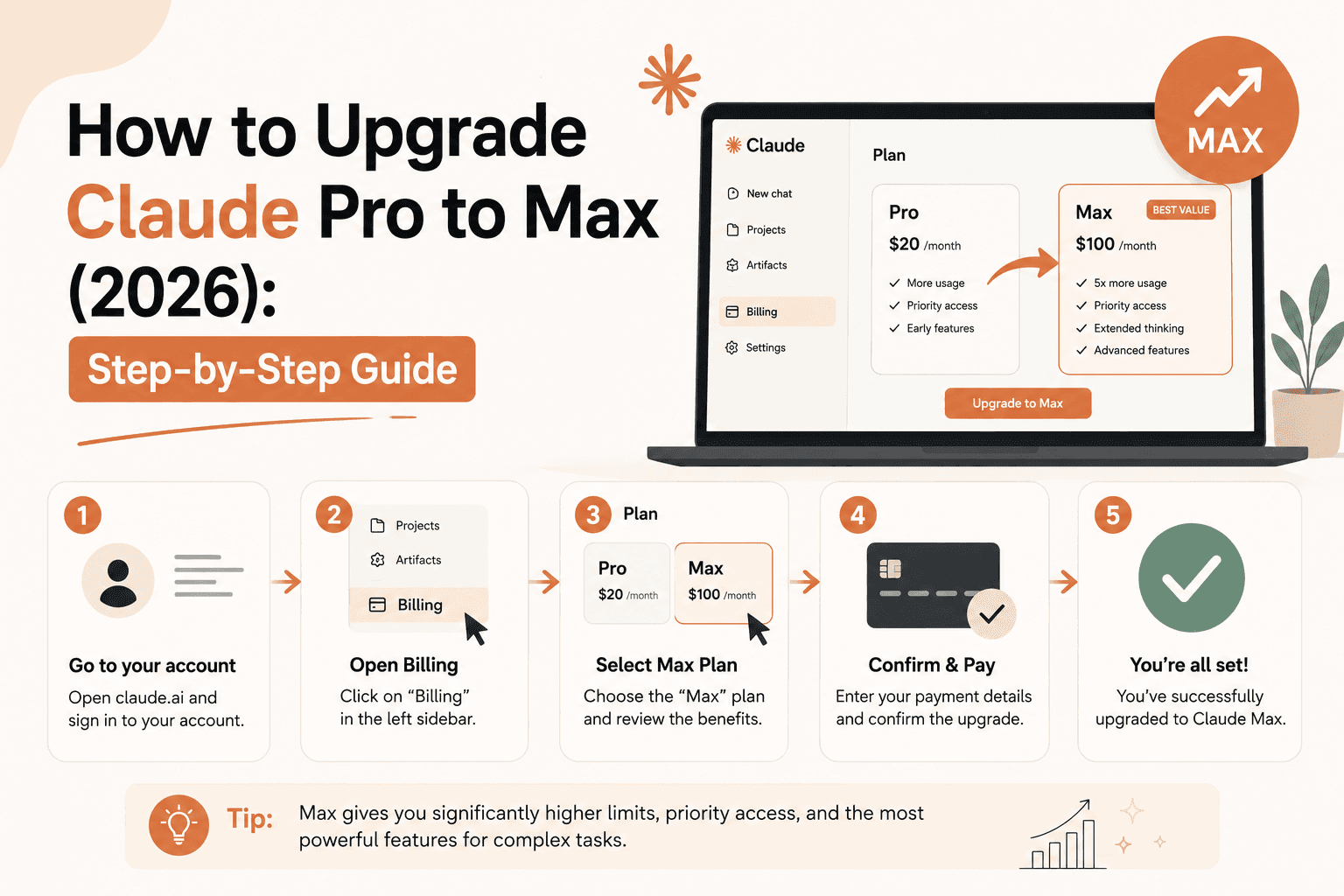
How to Upgrade Claude Pro to Max (2026): Step-by-Step Guide
Grok vs ChatGPT (2026): Which AI Should You Actually Pay For?