Gemini vs ChatGPT: Which AI should you use in 2026?
Gemini vs ChatGPT compared for coding, accuracy, research, image generation, and pricing — plus answers to the 15 most-asked questions about both.
Gemini vs ChatGPT (2026): Full Comparison, Pricing & FAQs
Quick Answer
Gemini (Google) and ChatGPT (OpenAI) are both top-tier AI assistants, but they win in different areas. Gemini has the edge for real-time, cited research thanks to native Google Search grounding, deep Workspace integration, and Nano Banana Pro's strong image generation. ChatGPT has the edge for a broader, more consistent multimodal experience — voice mode, Sora video, and the largest third-party ecosystem. Neither replaces the other completely; the better choice depends on whether you value grounded, current information (Gemini) or an all-in-one creative toolkit (ChatGPT).
Gemini vs ChatGPT at a Glance
| Gemini | ChatGPT | |
|---|---|---|
| Maker | Google (Alphabet) | OpenAI |
| Current flagship model | Gemini 3.1 Pro (Gemini 3 Flash for speed) | GPT-5-series (OpenAI iterates sub-versions frequently) |
| Free plan | Yes, daily usage limits | Yes, rolling usage limits |
| Entry paid plan | AI Plus, roughly $5–8/month | Plus, roughly $20/month |
| Mid-tier plan | AI Pro, $19.99/month | — |
| Top individual plan | AI Ultra, $99.99 or $199.99/month | Pro, roughly $200/month |
| Native image generation | Yes, via Nano Banana Pro (up to 4K) | Yes, built-in image generation |
| Native video generation | Yes, via Veo | Yes, via Sora |
| Coding agent | Jules (async) + Gemini Code Assist | Codex |
| Real-time web access | Native, built on Google Search | Yes, via integrated browsing/search tool |
| Context window | Up to ~1M tokens (2M-token model in preview) | Large, but exact limits vary by plan — check current docs |
| Known for | Search-grounded accuracy, Workspace integration, image generation | Multimodal breadth, ecosystem size, voice mode |
Pricing, model names, and context-window limits change frequently on both platforms — treat this as a 2026 snapshot and confirm current details at gemini.google/subscriptions and openai.com/chatgpt/pricing before subscribing.
What Is Gemini?
Gemini is Google's family of AI models, available through the Gemini app, gemini.google.com, Google Workspace (Gmail, Docs, Sheets), Android, and the developer-facing Vertex AI/Gemini API. Google positions Gemini around deep integration with its own ecosystem: it's natively grounded in Google Search for current information, plugs directly into your Gmail and Docs if you allow it, and shares infrastructure with Google's Nano Banana image models and Veo video models.
Gemini's strengths:
- Native Google Search grounding means answers can pull in current, cited web information by default, rather than relying only on training data.
- Nano Banana Pro produces some of the strongest AI-generated images available, including accurate in-image text and up to 4K output.
- Jules, Google's asynchronous coding agent, clones a real repository into a cloud VM, works independently, and opens a reviewable pull request — a genuinely different workflow than chat-based coding assistants.
- Tight Workspace integration (Docs, Sheets, Gmail) is a natural fit if your work already lives in Google's tools.
- A large context window (roughly 1M tokens on current models, with a 2M-token model already previewed) suits long documents and large codebases.
Gemini's limitations:
- The consumer plan structure has changed several times in 2026 (renamed tiers, adjusted Ultra pricing), which makes it harder to know exactly what you're paying for without checking current pricing.
- Some users report inconsistent feature availability between plans during rollout periods.
- Jules' asynchronous, PR-based workflow requires writing clear upfront briefs rather than iterating conversationally — a different discipline than most developers are used to.
What Is ChatGPT?
ChatGPT is OpenAI's conversational AI product, launched in November 2022 and now the most widely used consumer AI chatbot. It has expanded from a text chatbot into a full multimodal platform: native image generation, voice conversations, Sora-powered video generation, and Codex for agentic coding, all inside one product.
ChatGPT's strengths:
- The broadest single-app multimodal toolkit: text, image, voice, and video generation together.
- The largest user base and third-party ecosystem, including custom GPTs and integrations across many products.
- Codex offers agentic coding assistance with a workflow more familiar to developers used to synchronous, in-editor AI assistants.
- Deep integration into Microsoft's ecosystem through Copilot extends its reach into tools many businesses already use.
ChatGPT's limitations:
- Real-time web access works through an integrated browsing/search tool rather than being grounded in a search engine by default the way Gemini is.
- No native, deep integration with a productivity suite comparable to Google Workspace.
- Free-tier responses can fall back to lighter models once usage limits are hit, which can noticeably reduce output quality on harder tasks.
Head-to-Head: Where Each Tool Actually Wins
Coding
Gemini's Jules and OpenAI's Codex take genuinely different approaches. Jules works asynchronously: you hand it a well-scoped task, it clones your repository into a cloud VM, and it comes back with a pull request you review later — a strong fit for batched, well-specified work like migrations or dependency updates. Codex and similar chat-based coding tools keep you in a live back-and-forth, which suits iterative, exploratory coding better. Neither is a strict upgrade over the other; many development teams end up using an async tool like Jules for routine, well-defined tasks and a conversational tool for active feature work.
Accuracy and Reasoning
Both Gemini's top-tier models and GPT-5-series models perform strongly on complex reasoning tasks, and the gap between them narrows and widens with each release, so any single comparison snapshot goes stale quickly. Where Gemini has a structural advantage is on questions that benefit from current, cited information — because it's grounded in Google Search by default, it's often better positioned to surface a recent, sourced answer without you having to explicitly ask it to search. For reasoning that depends purely on the model's internal knowledge (math, logic, code review), both are closely matched at the top tier.
Speed
The fastest responses on both platforms come from their lightweight "flash" or "mini" tier models rather than their flagship reasoning models — Gemini 3 Flash and ChatGPT's smaller models are both optimized for low-latency, everyday tasks. If you need the deepest reasoning (Gemini's Deep Think or ChatGPT's top reasoning modes), expect a noticeable speed trade-off on both sides in exchange for more thorough answers.
Writing
Both handle everyday writing tasks — emails, summaries, outlines — comfortably. For creative and long-form writing specifically, many users find ChatGPT slightly more flexible at matching a specific requested tone or voice out of the box, while Gemini tends to produce more literal, grounded prose, which can be an advantage for factual or research-heavy writing and a disadvantage for highly stylized creative work.
Image Generation
This is one of Gemini's clearest wins. Nano Banana Pro consistently ranks among the strongest image models available in 2026, particularly for accurate in-image text, consistent subject identity across multiple images, and up to 4K output. ChatGPT's built-in image generation is capable and convenient since it's in the same app you're already chatting in, but independent comparisons in 2026 have generally favored Nano Banana Pro on photorealism and text accuracy specifically.
Research
For research tasks that benefit from current events, recent statistics, or cited sources, Gemini's native Google Search grounding gives it a real edge — it's built to pull in and cite live web results as a default behavior rather than a mode you have to switch on. ChatGPT can absolutely browse the web and produce well-researched answers too, but does so through an integrated tool rather than being fundamentally built around a search engine, which some users find makes source-backed research feel like a more deliberate, separate step.
Pricing: Is Gemini Free? Is ChatGPT Worth Paying For?
Both offer genuinely usable free tiers, so you can test each before spending anything. Gemini's free plan gives daily-limited access to its core model; ChatGPT's free plan works similarly with rolling usage caps. As of 2026, Google's paid ladder runs AI Plus (roughly $5–8/month) → AI Pro ($19.99/month) → AI Ultra ($99.99 or $199.99/month), while OpenAI's runs Plus ($20/month) → Pro ($200/month), with business tiers on both sides starting around $25–30 per seat.
Whether ChatGPT (or Gemini) is "worth paying for" comes down to one question: are you regularly hitting free-tier limits, or do you specifically need a feature gated behind a paid plan — higher-resolution image generation, longer context, priority access during peak hours, or a specific reasoning mode? If you're an occasional user, both free tiers are genuinely capable enough to cover most everyday tasks.
Gemini vs ChatGPT: Which Should You Choose?
- You're a student: Both free tiers handle studying and research well. Gemini's Workspace integration is a natural fit if your school already uses Google Docs and Gmail, and Google has periodically offered free or discounted student access to paid tiers — check current student offers before paying full price.
- You need grounded, source-backed research: Gemini's native Search integration gives it an edge for anything time-sensitive or fact-heavy.
- You want one app for text, image, voice, and video: ChatGPT's multimodal toolkit is the most complete single-subscription option.
- You're a developer with batched, well-defined tasks: Try Jules for hands-off, async work; use a conversational coding assistant for active development.
- You want the strongest AI image generation: Nano Banana Pro (inside Gemini) currently leads on photorealism and text accuracy.
- You're already living inside Google Workspace: Gemini's integration reduces friction more than switching to a separate assistant would.
- You're not sure yet: Both free tiers are strong enough to run the same real task through each for a week and see which one you reach for naturally.
Conclusion
Gemini and ChatGPT are both excellent, and — like most AI "vs" comparisons — the real answer is that they're better at different things rather than one being strictly superior. Gemini's built-in Google Search grounding, Workspace integration, and Nano Banana Pro image generation make it the stronger pick for research and visual content; ChatGPT's broader multimodal toolkit and larger ecosystem make it the more complete single-app option for creative and general-purpose use. Since both companies ship new models and pricing changes on an overlapping, fast cadence, the most reliable way to decide is to test both on your actual workload rather than relying on a features list that may shift within a few months.
FAQ
Is Gemini better than ChatGPT? Neither is better across the board. Gemini has an edge for real-time, source-grounded research and image generation, while ChatGPT offers a broader all-in-one multimodal toolkit. The better fit depends on your specific use case.
Which is better, Gemini or ChatGPT? It depends on the task: Gemini tends to win for current-events research and Workspace integration, while ChatGPT tends to win for voice conversations, video generation, and third-party app integrations.
Can Gemini replace ChatGPT? For most everyday tasks — writing, research, coding help, and image generation — yes, Gemini can fully replace ChatGPT. Some ChatGPT-specific features and its larger custom-GPT ecosystem may not have a direct Gemini equivalent for every workflow, so "full replacement" depends on which specific ChatGPT features you rely on.
Which AI is best for coding? It depends on your workflow. Jules (Gemini) is strong for asynchronous, well-scoped tasks handled in the background, while Codex (ChatGPT) suits developers who prefer a live, conversational coding assistant. Testing both on a real task from your own codebase is the most reliable way to decide.
Which AI is more accurate? Both perform strongly on complex reasoning benchmarks, and the gap shifts with each release. Gemini has a practical accuracy advantage on current-events questions due to its native Search grounding; on tasks that rely purely on internal reasoning, the two are closely matched at the top tier.
Which AI is faster? The lightweight "flash" or "mini" tier models on both platforms are optimized for speed and are the fastest option for everyday tasks. The deepest reasoning modes on both sides (Gemini's Deep Think, ChatGPT's top reasoning models) trade speed for more thorough answers.
Is Gemini free? Yes. Gemini has a permanent free tier with daily usage limits. Paid tiers — AI Plus, AI Pro, and AI Ultra — unlock higher limits, more advanced models, and features like Deep Research and Deep Think.
Is ChatGPT worth paying for? It's worth it if you regularly hit free-tier limits or need consistent access to top-tier models, image generation, voice mode, or higher usage caps. Casual users often find the free tier sufficient for everyday tasks.
Which AI should students use? Both free tiers are strong for studying and research. Gemini is the more natural fit for students already using Google Docs, Gmail, or Classroom, and has periodically offered discounted or free student access — worth checking before paying full price on either platform.
Which AI is best for writing? Both handle everyday writing well. ChatGPT is often considered slightly more flexible at matching a specific creative tone, while Gemini tends toward more literal, grounded prose — an advantage for factual writing and research-based content.
Which AI has better image generation? Gemini's Nano Banana Pro is currently rated among the strongest image generators available, particularly for accurate in-image text and photorealism, generally outperforming ChatGPT's built-in image generation on those specific points.
Which AI is better for research? Gemini has a structural advantage here because it's natively grounded in Google Search, surfacing current, cited information by default. ChatGPT can also browse and research the web effectively, but does so through an integrated tool rather than a search-engine-first design.
Does Gemini use Google Search? Yes. Gemini is built on top of Google Search grounding, allowing it to pull in and cite current web information as part of its default behavior, especially on paid tiers with Deep Research features.
Can ChatGPT access the internet? Yes. ChatGPT can browse the web and retrieve real-time information through an integrated search/browsing tool, though it isn't built around a search engine by default the way Gemini is.
Which AI has a larger context window? Gemini's current models support up to roughly 1 million tokens, with a 2-million-token model already previewed by Google. ChatGPT's context limits vary by plan and change frequently — check each provider's current documentation for exact figures, since both companies expand these regularly.
Related
Resources
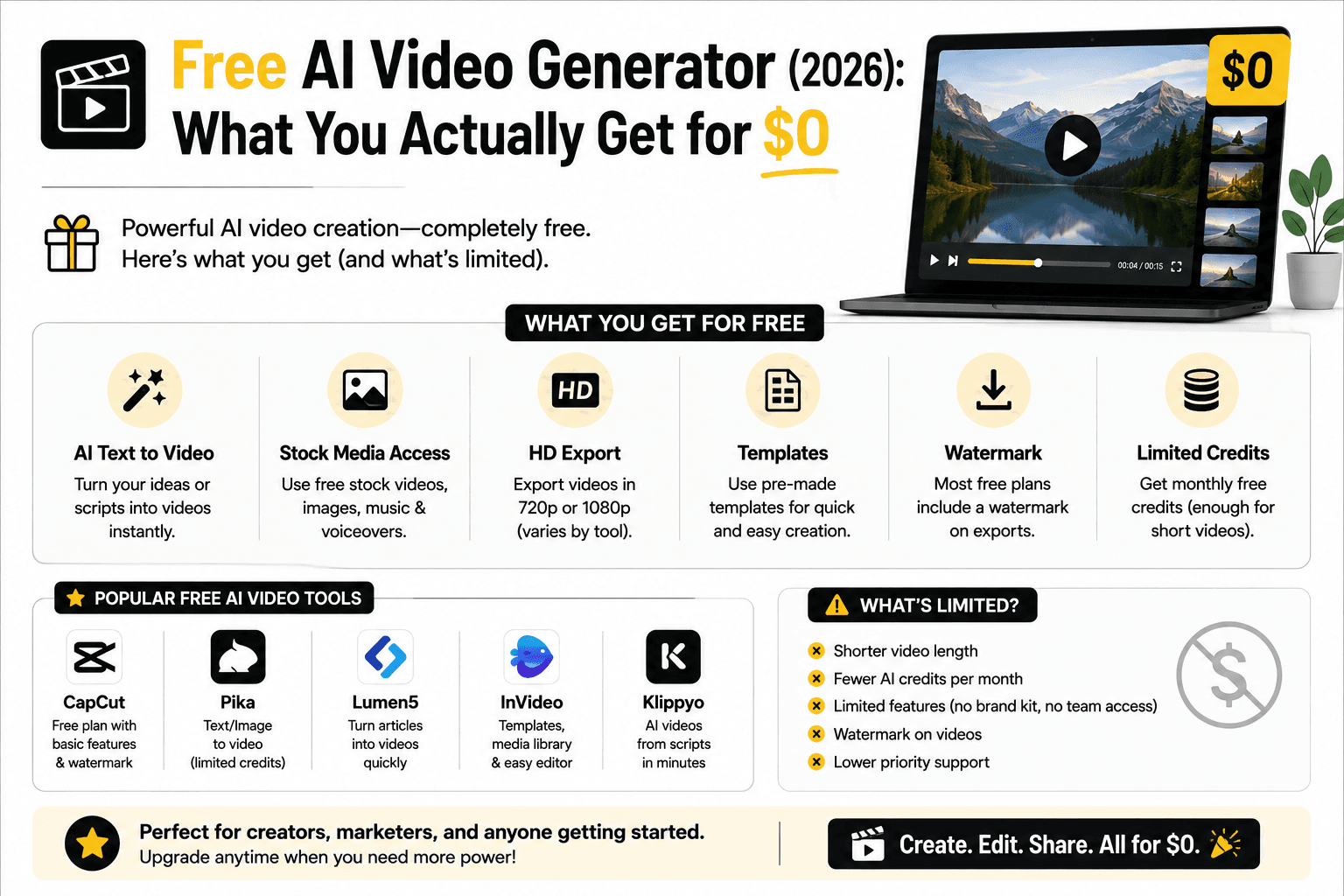
Free AI Video Generator (2026): What You Actually Get for $0
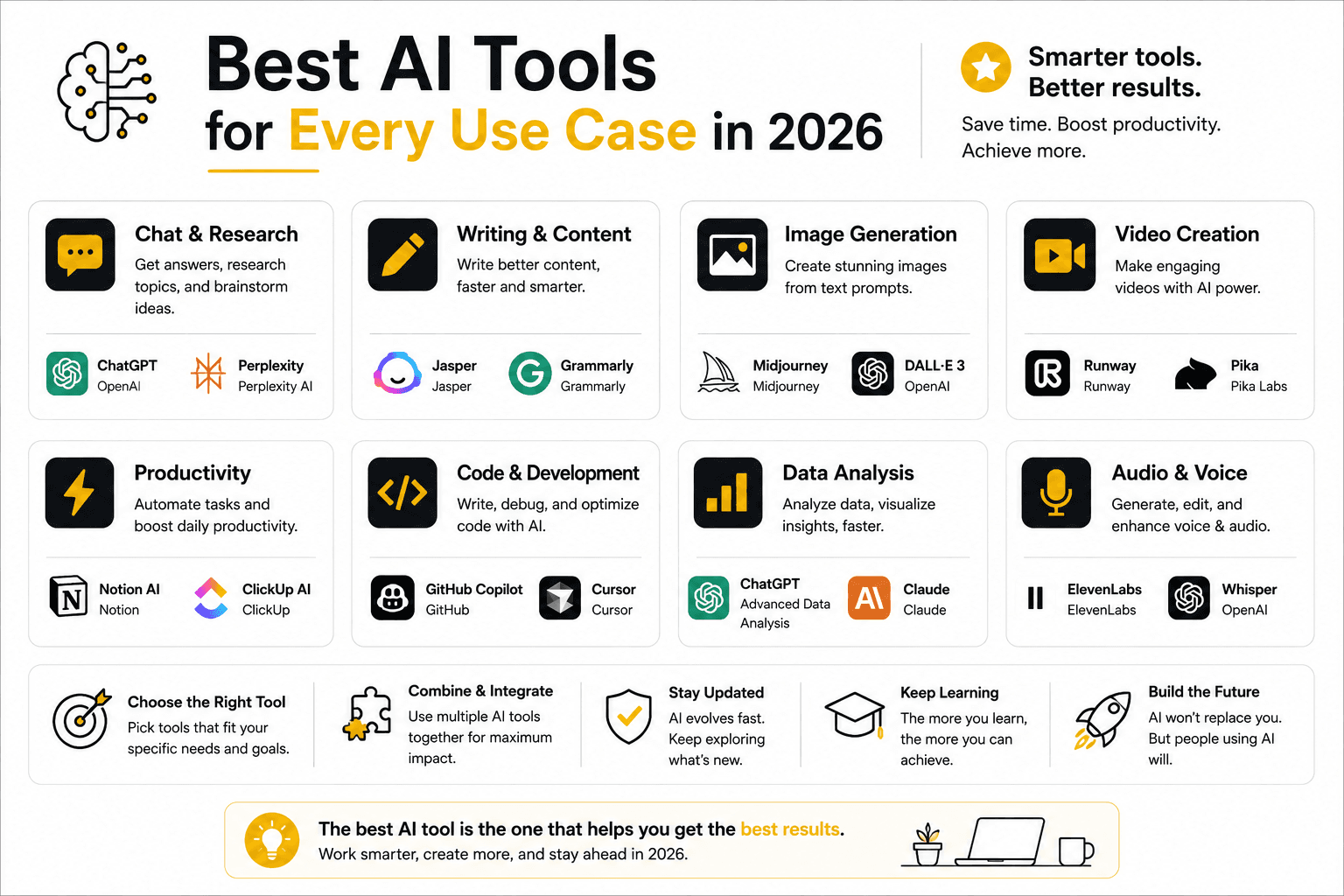
Best AI Tools for Every Use Case in 2026?
How to Upgrade Claude Pro to Max (2026): Step-by-Step Guide
Grok vs ChatGPT (2026): Which AI Should You Actually Pay For?